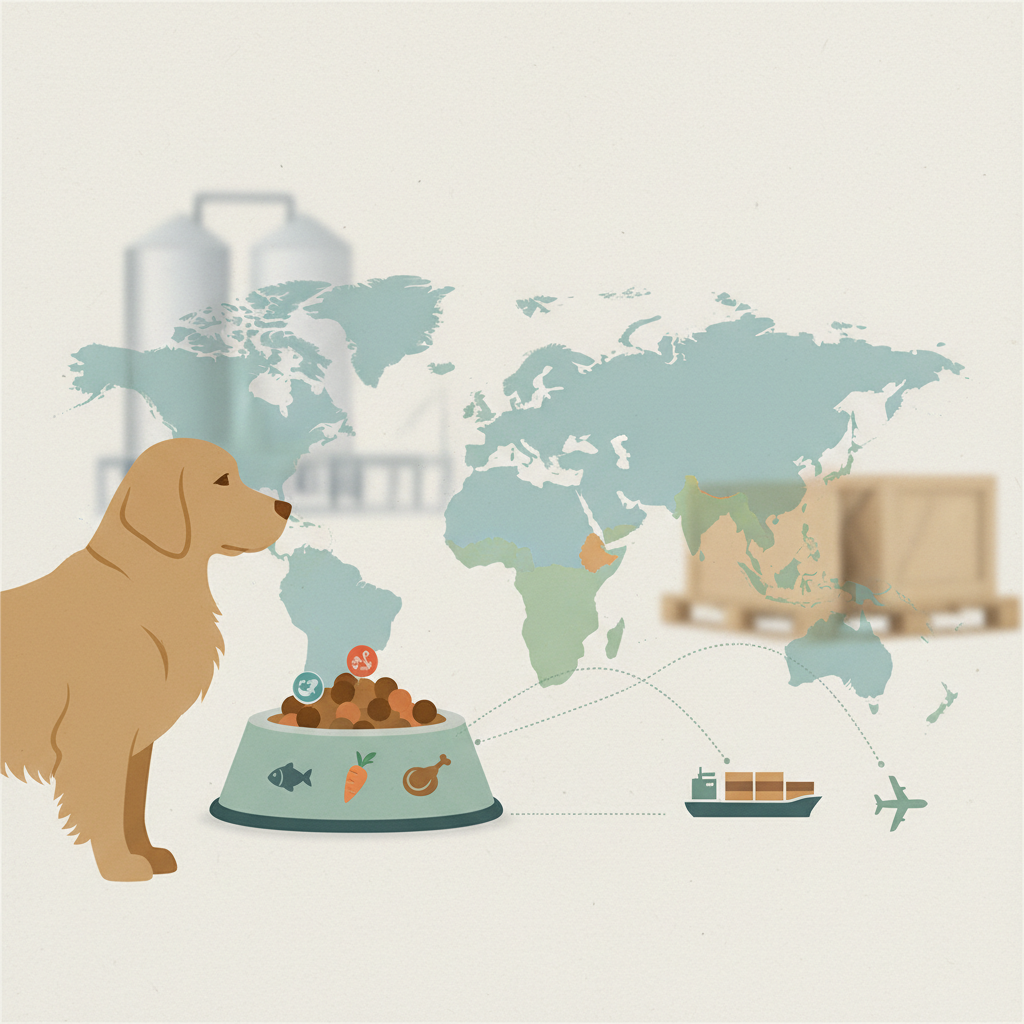
The global pet food market is experiencing unprecedented growth, and Southeast Asia stands out as a vibrant and rapidly expanding frontier. With a burgeoning middle class, increasing pet ownership, and rising disposable incomes, the demand for high-quality, nutritious dog food is skyrocketing across countries like Indonesia, Thailand, Vietnam, the Philippines, Malaysia, and Singapore. For B2B stakeholders – including importers, distributors, wholesalers, manufacturers, and aspiring private label brand owners – this dynamic region presents a wealth of opportunities. However, successfully navigating this diverse market requires a deep understanding of local consumer preferences, regulatory landscapes, and the intricacies of the supply chain. This comprehensive guide is designed to provide you with actionable insights and strategic advice to not only understand the Southeast Asian dog food market but also to thrive within it. We’ll delve into market drivers, supply chain management, raw material sourcing, the immense potential of private labeling, and essential export considerations, ensuring you are well-equipped to capitalize on this exciting growth trajectory.
The Booming Pet Food Market in Southeast Asia
Southeast Asia is a mosaic of economies, cultures, and pet ownership traditions, yet a common thread tying them together is the accelerating humanization of pets. Dogs are increasingly seen as beloved family members, leading owners to invest more in their health and well-being, particularly through premium nutrition.
Key Market Drivers and Consumer Trends
Several factors are fueling the pet food boom in the region: * Rising Disposable Incomes: As economies grow, consumers have more discretionary income to spend on their pets. * Urbanization and Smaller Households: More people living in urban areas and smaller living spaces often leads to a preference for pets like dogs, intensifying the focus on their care. * Increased Awareness of Pet Health: Pet owners are becoming more educated about the importance of proper nutrition for their dogs' longevity and vitality. This drives demand for specialized diets, functional ingredients, and natural options. * E-commerce Growth: The rapid expansion of online retail platforms makes premium and imported dog food more accessible to a wider audience. * Shift Towards Premiumization: There's a noticeable trend towards premium, super-premium, and specialized dog food products, including grain-free, limited ingredient, and life-stage specific formulas.
Understanding Regional Variances
While general trends exist, it's crucial for B2B players to recognize significant country-specific nuances: * Thailand: A mature market with a strong local manufacturing base and high demand for premium and therapeutic diets. Bangkok serves as a regional hub for pet-related businesses. * Indonesia & Philippines: Large populations with rapidly growing pet ownership. Value-for-money products are popular, but premium segments are gaining traction, especially in urban centers. * Vietnam: An emerging market with strong growth potential. Rising incomes are driving demand for diverse pet food options. * Malaysia & Singapore: More developed markets with a higher per capita spending on pets. Consumers are discerning and often seek imported, high-quality, and niche products. Understanding these regional differences is paramount for tailoring your product offerings, marketing strategies, and distribution channels effectively.
Mastering the Dog Food Supply Chain: Raw Materials to Shelf
A robust and efficient supply chain is the backbone of any successful dog food business, especially when operating across international borders and diverse markets. For B2B players, optimizing this chain is key to profitability and market share.
Sourcing High-Quality Raw Materials
The quality of raw materials directly impacts the nutritional value, safety, and appeal of the final dog food product. * Protein Sources: High-quality protein is essential. This can range from common poultry and fish meals to novel proteins. For regions with strong agricultural sectors, exploring local options like buffalo meat can be a strategic move. Buffalo meat offers a lean, nutrient-dense protein source that is often more sustainable and cost-effective in certain parts of the world. Additionally, by-products like buffalo Omasum (third stomach) are gaining recognition for their nutritional value and palatability in pet food, providing unique opportunities for product differentiation. * Grains and Starches: Rice, corn, wheat, and potatoes are common carbohydrate sources. The trend towards grain-free diets also necessitates alternatives like sweet potatoes, peas, and lentils. * Fats and Oils: Animal fats, fish oils (rich in Omega-3), and vegetable oils are crucial for energy, skin, and coat health. * Vitamins and Minerals: Essential micronutrients often added as supplements to ensure a balanced diet. When sourcing, prioritize suppliers with stringent quality control, traceability systems, and certifications (e.g., HACCP, ISO). Building strong relationships with reliable raw material providers, whether local or international, is critical for consistent quality and supply.
Logistics and Infrastructure Challenges & Solutions
Navigating the logistics in Southeast Asia can be complex due to varied infrastructure and geographical spread. * Warehousing and Storage: Ensuring adequate, climate-controlled storage for raw materials and finished products is vital to maintain quality and prevent spoilage, especially in tropical climates. * Transportation Networks: Utilize a mix of sea, air, and road transport. For intra-regional distribution, consider local logistics partners who have established networks and understand specific country challenges. * Customs and Port Operations: Delays at customs can be costly. Work with experienced customs brokers who are familiar with specific pet food import regulations for each country. * Cold Chain Management: For fresh or frozen ingredients and products, maintaining a seamless cold chain is non-negotiable to ensure safety and quality.
Quality Control and Compliance in Manufacturing
For manufacturers and private label brand owners, adhering to the highest standards of quality control and regulatory compliance is paramount. * Ingredient Quality Checks: Implement rigorous incoming inspections for all raw materials. * Production Process Monitoring: Ensure adherence to Good Manufacturing Practices (GMP) and Hazard Analysis and Critical Control Points (HACCP) throughout the manufacturing process. * Finished Product Testing: Conduct regular batch testing for nutritional content, contaminants (e.g., mycotoxins, heavy metals), and microbiological safety. * Regulatory Compliance: Each country has its own set of regulations regarding pet food ingredients, additives, labeling, and import procedures. Staying updated and compliant is non-negotiable.
Private Labeling: A Strategic Advantage for Importers and Distributors
Private labeling offers B2B players an unparalleled opportunity to build brand equity, differentiate themselves, and capture a larger share of the booming Southeast Asian pet food market. Instead of merely distributing established brands, you can create your own.
Benefits of Private Labeling in Southeast Asia
* Brand Control and Loyalty: Build your own brand identity, fostering direct customer loyalty and reducing reliance on third-party brands. * Higher Profit Margins: Often, private label products can command better margins compared to reselling branded products. * Market Differentiation: Create unique formulations, target niche segments (e.g., specific breeds, health conditions, or dietary preferences), and respond quickly to market trends. * Flexibility and Agility: Greater control over product development, pricing, and marketing strategies. * Supply Chain Integration: Work directly with manufacturers to streamline production and ensure consistent supply.
Steps to Launching a Successful Private Label Dog Food Brand
Launching a private label brand requires careful planning and execution. Here’s a step-by-step guide: 1. Market Research and Niche Identification: * Identify underserved segments: Are there specific breeds, age groups, or dietary needs not adequately met? * Analyze competitor offerings: What are their strengths and weaknesses? How can you differentiate? * Understand local preferences: Do consumers prefer specific protein sources, kibble sizes, or packaging types? 2. Product Development and Formulation: * Define your product specifications: Nutritional profile, ingredients (e.g., consider novel proteins like buffalo meat for uniqueness), form (dry, wet, treats). * Partner with experienced pet food formulators: Ensure your product meets AAFCO or FEDIAF standards and local regulations. * Source reputable raw materials: Establish a robust supply chain for consistent quality and availability. 3. Manufacturer Selection: * Look for co-packers or contract manufacturers: Choose those with experience in pet food, strong quality control systems (GMP, HACCP), and a proven track record. * Verify their certifications and capabilities: Ensure they can meet your production volume and quality standards. * Consider geographical proximity: If targeting specific countries, a manufacturer within or close to the region can reduce logistics costs. 4. Branding and Packaging Design: * Develop a compelling brand story and identity: What values does your brand represent? * Design attractive and informative packaging: Ensure compliance with local labeling regulations, highlighting key benefits and ingredients. * Consider sustainable packaging options: A growing trend that resonates with eco-conscious consumers. 5. Regulatory Approval and Compliance: * Navigate country-specific import and product registration requirements: This is a critical and often complex step. * Secure all necessary permits and licenses: Work with local regulatory experts if needed. 6. Distribution and Marketing Strategy: * Leverage your existing B2B network: For importers and distributors, this is a significant advantage. * Explore e-commerce platforms: Online sales are crucial in Southeast Asia. * Develop targeted marketing campaigns: Highlight your product's unique selling propositions.
Exporting Dog Food to Southeast Asia: Key Considerations
For international manufacturers and suppliers looking to enter the Southeast Asian market, understanding the export landscape is paramount.
Regulatory Landscape and Import Requirements
Each Southeast Asian country has its own set of regulations governing the import of animal feed, including dog food. * Health Certificates: Often required from the exporting country's veterinary authorities, certifying the product is fit for animal consumption and free from specific diseases. * Ingredient Restrictions: Certain ingredients might be restricted or require special permits. * Labeling Requirements: Specific information on ingredients, nutritional analysis, country of origin, and manufacturing details must be present and often in the local language. * Product Registration: Many countries require pet food products to be registered with their respective agricultural or veterinary departments before they can be sold. This process can be time-consuming and requires detailed documentation.
Navigating Tariffs and Trade Agreements
* ASEAN Free Trade Area (AFTA): Within the ASEAN bloc, tariffs on many goods, including pet food, have been significantly reduced or eliminated. Understanding these agreements can provide a competitive edge for regional trade. * Bilateral Trade Agreements: Explore any specific agreements between your exporting country and the target Southeast Asian nation that might offer preferential tariffs. * Customs Duties and Taxes: Be aware of standard import duties, value-added taxes (VAT), and other levies that will impact your product's final cost. Engaging with a local legal or trade consultant can be invaluable for navigating these complex requirements efficiently.
Future Outlook and Sustainable Practices
The Southeast Asian dog food market is poised for continued robust growth, driven by evolving consumer preferences and increasing awareness.
Trends Shaping the Market
* Sustainability and Ethical Sourcing: A growing demand for environmentally friendly and ethically sourced ingredients and packaging. * Personalization and Customization: Tailored diets based on breed, age, activity level, or specific health concerns. * Functional Ingredients: Inclusion of probiotics, prebiotics, joint support, and cognitive enhancers. * Human-Grade Ingredients: A desire for pet food made with ingredients deemed suitable for human consumption. * Alternative Proteins: Beyond traditional meat sources, interest in insect-based proteins or plant-based options is slowly emerging. B2B players who can anticipate and adapt to these trends, perhaps by offering innovative protein sources like sustainably sourced buffalo meat or specialized ingredients like buffalo Omasum, will be well-positioned for long-term success. Conclusion The Southeast Asian dog food market represents a compelling landscape of growth and opportunity for discerning B2B stakeholders. From its expanding consumer base and increasing demand for premium nutrition to the strategic advantages of private labeling and optimized supply chains, the region is ripe for investment and innovation. By understanding market nuances, meticulously managing your supply chain, adhering to stringent quality standards, and strategically leveraging private label opportunities, you can firmly establish your presence and achieve sustained success. Are you looking to expand your dog food business into the vibrant Southeast Asian market, seeking reliable raw material suppliers, or exploring private label manufacturing partnerships? Connect with us today to discuss how we can help you navigate this dynamic landscape and unlock new avenues for growth.