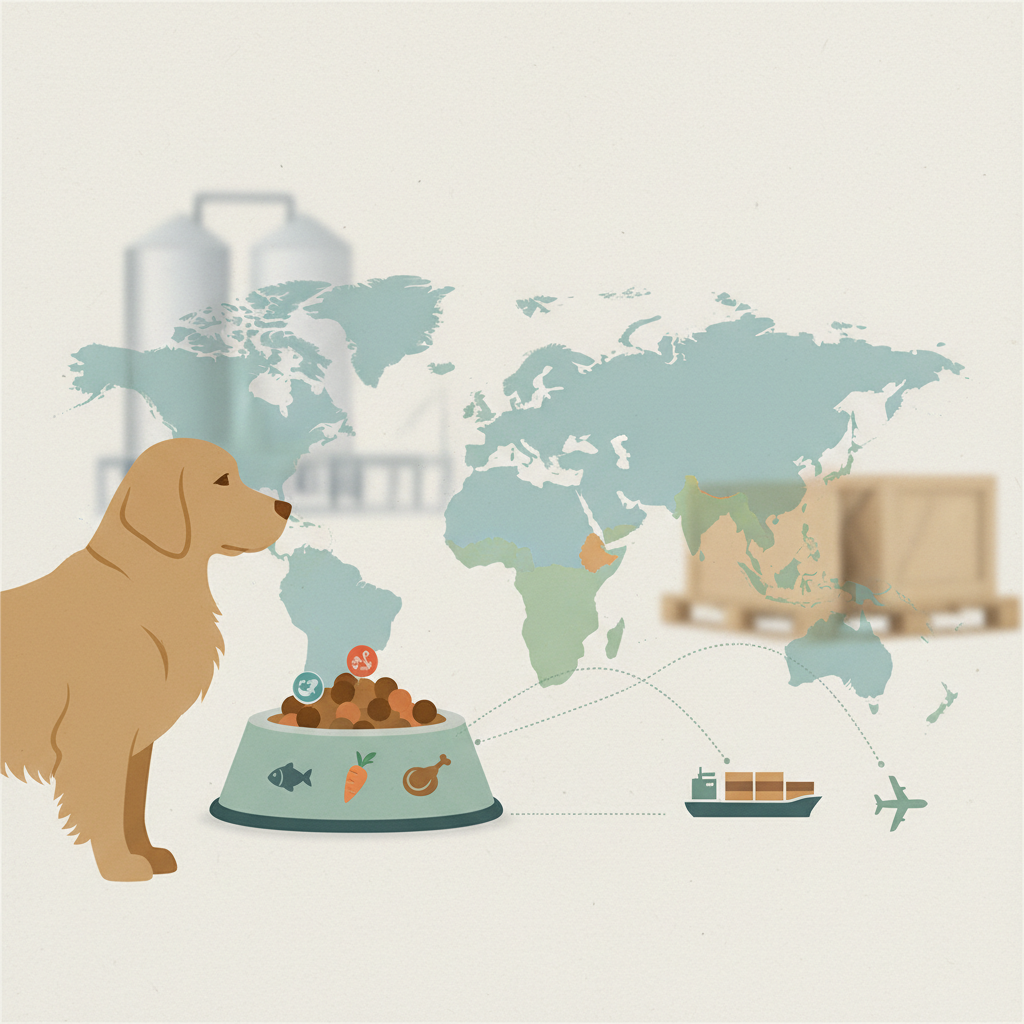
Unleashing Opportunity: A B2B Guide to Exporting Dog Food to Southeast Asia
The global pet food market is experiencing unprecedented growth, and nowhere is this more evident than in the dynamic economies of Southeast Asia. For B2B stakeholders – importers, distributors, wholesalers, manufacturers, and private label brand owners – this region represents a lucrative frontier for dog food products. With rising disposable incomes, increasing pet ownership, and a growing humanization of pets, the demand for high-quality, nutritious dog food is skyrocketing. Navigating the complexities of international trade requires a strategic approach, deep market understanding, and robust operational execution. This comprehensive guide will equip you with the insights and actionable advice needed to successfully tap into the vibrant Southeast Asian dog food market, fostering sustainable growth and profitability for your business.
Understanding the Southeast Asian Dog Food Market
Southeast Asia, encompassing diverse nations like Indonesia, Thailand, Vietnam, the Philippines, Malaysia, and Singapore, presents a mosaic of opportunities. Each market has its unique nuances, but common threads of growth and evolving consumer preferences bind them together.
Market Growth and Key Drivers
The pet food market in Southeast Asia is projected for significant expansion, driven by powerful factors:
- Rapid Urbanization and Economic Growth: Maturing economies and urban population growth lead to more pet ownership and increased spending on premium products.
- Rising Disposable Incomes: A burgeoning middle class means pet owners invest more in higher-quality, often imported, dog food.
- Pet Humanization Trend: Pets are cherished family members, fueling demand for products mirroring human food standards – natural ingredients and specific dietary formulations.
- E-commerce Boom: E-commerce platforms provide wider access to diverse pet food brands, including international ones.
Understanding these trends is crucial for tailoring strategies.
Consumer Preferences and Trends
Southeast Asian pet owners are increasingly discerning. While price matters, quality, safety, and health benefits are paramount.
- Premiumization: Strong shift towards premium and super-premium dog foods (grain-free, L.I.D., specific health formulas).
- Natural and Organic Ingredients: Growing demand for natural, wholesome, and often organic ingredients, free from artificial additives.
- Functional Foods: Products targeting specific health benefits (joint, skin/coat, digestive support, weight management) are highly sought.
- International Brand Appeal: International brands are perceived as superior in quality and innovation, offering clear export opportunities.
Essential Steps for Exporting Dog Food to Southeast Asia
Successfully entering the Southeast Asian market requires meticulous planning and execution across several key areas.
Regulatory Compliance and Certification
This is critical. Each Southeast Asian country has unique import regulations, sanitary and phytosanitary (SPS) measures, labeling, and registration processes.
- Country-Specific Regulations: Research specific import requirements (e.g., Thailand's DLD, Singapore’s AVA).
- Health Certificates & Permits: Most countries require official veterinary health certificates and often import permits.
- Ingredient Restrictions: Be aware of prohibited ingredients or maximum additive levels.
- Labeling Requirements: Labels often need local language, nutrient analysis, ingredient lists, dates, origin, and handling instructions. Misleading claims are prohibited.
- Facility Audits: Some countries may require manufacturing facility audits.
Working with experienced customs brokers and regulatory consultants is highly recommended.
Supply Chain and Logistics Mastery
An efficient and robust supply chain is vital.
- Logistics Planning: Choose reliable shipping partners for temperature-controlled transport if needed. Consider sea freight for cost, air freight for speed.
- Distribution Network: Partner with local distributors or establish warehousing to optimize delivery and reduce costs. Local partners aid last-mile.
- Inventory Management: Implement systems to prevent stockouts and minimize waste.
- Cold Chain Management: Ensure an unbroken cold chain for sensitive products.
- Risk Mitigation: Develop contingency plans for disruptions. Trade insurance is essential.
Sourcing Quality Raw Materials
Product market acceptance hinges on raw material quality.
- Traceability: Ensure full traceability of all ingredients (proteins, grains) for regulatory and safety compliance.
- Quality Control: Implement rigorous QC from raw material inspection to final product testing.
- Ingredient Authenticity: Provide documentation on ingredient origin and quality.
- Sustainable Sourcing: Highlight sustainable/ethically sourced ingredients where possible.
Private Labeling Opportunities in Southeast Asia
For importers, distributors, and manufacturers looking to expand their portfolio, private labeling offers a compelling pathway.
The Appeal of Private Label
Private labeling offers distinct advantages in Southeast Asia:
- Cost Efficiency: Reduced R&D and manufacturing overheads using existing expertise.
- Faster Market Entry: Quick product launches without extensive setup.
- Brand Building: Establish your own brand identity and loyalty.
- Market Customization: Tailor formulations, packaging, and sizes to local preferences (e.g., smaller bags).
- Flexibility and Scalability: Easily adapt to market changes and scale production.
Partnering with Local Manufacturers
Partnering with a reputable local manufacturer in Southeast Asia for private label production is a powerful strategy.
- Local Expertise: Manufacturers offer insights into regional tastes, regulatory nuances, and supply chain.
- Reduced Import Barriers: Local production can circumvent some import duties and non-tariff barriers, enhancing price competitiveness.
- Speed to Market: Significantly reduce lead times and improve responsiveness.
- Supporting Local Economy: Fosters goodwill and stronger relationships.
Prioritize partners with strong QC (ISO, HACCP, GMP) and transparent supply chains. Due diligence is paramount.
Building a Resilient Export Strategy: A Checklist
To ensure a successful and sustainable presence in the Southeast Asian dog food market, consider this strategic checklist:
- Market Research Deep Dive: Identify target countries/demographics; analyze competitors, pricing, distribution; understand local pet habits.
- Regulatory Readiness: Engage consultants; ensure product compliance; obtain all permits/certifications.
- Product Adaptation: Adjust formulations for local preferences; design appealing, culturally appropriate packaging; consider various pack sizes.
- Distribution and Logistics Network: Vet reliable local distributors; establish efficient warehousing/transportation; implement robust inventory management.
- Marketing and Branding: Develop localized strategy; utilize digital marketing (social media, e-commerce); highlight quality, health benefits.
- Financial Planning and Risk Management: Create clear financial model (duties, taxes, logistics, marketing); understand currency risks; secure trade insurance.
- Build Strong Relationships: Foster long-term partnerships; be open to feedback and adapt.
Conclusion
The Southeast Asian dog food market offers immense potential for B2B enterprises ready to invest time, research, and strategic effort. By understanding the unique market dynamics, meticulously navigating regulatory landscapes, optimizing supply chains, and exploring private labeling opportunities, your business can unlock significant growth. Success in this vibrant region hinges on a commitment to quality, a deep appreciation for local preferences, and the agility to adapt. Whether you are an importer seeking new suppliers, a distributor expanding your portfolio, or a manufacturer aiming for international reach, Southeast Asia awaits your strategic entry.
Call to Action
Ready to explore the exciting opportunities in the global dog food trade, specifically within the burgeoning Southeast Asian market? Connect with our expert team today to discuss tailored strategies for market entry, regulatory compliance, supply chain optimization, and private label partnerships. Let us help you chart a course for successful and sustainable growth in this dynamic region.