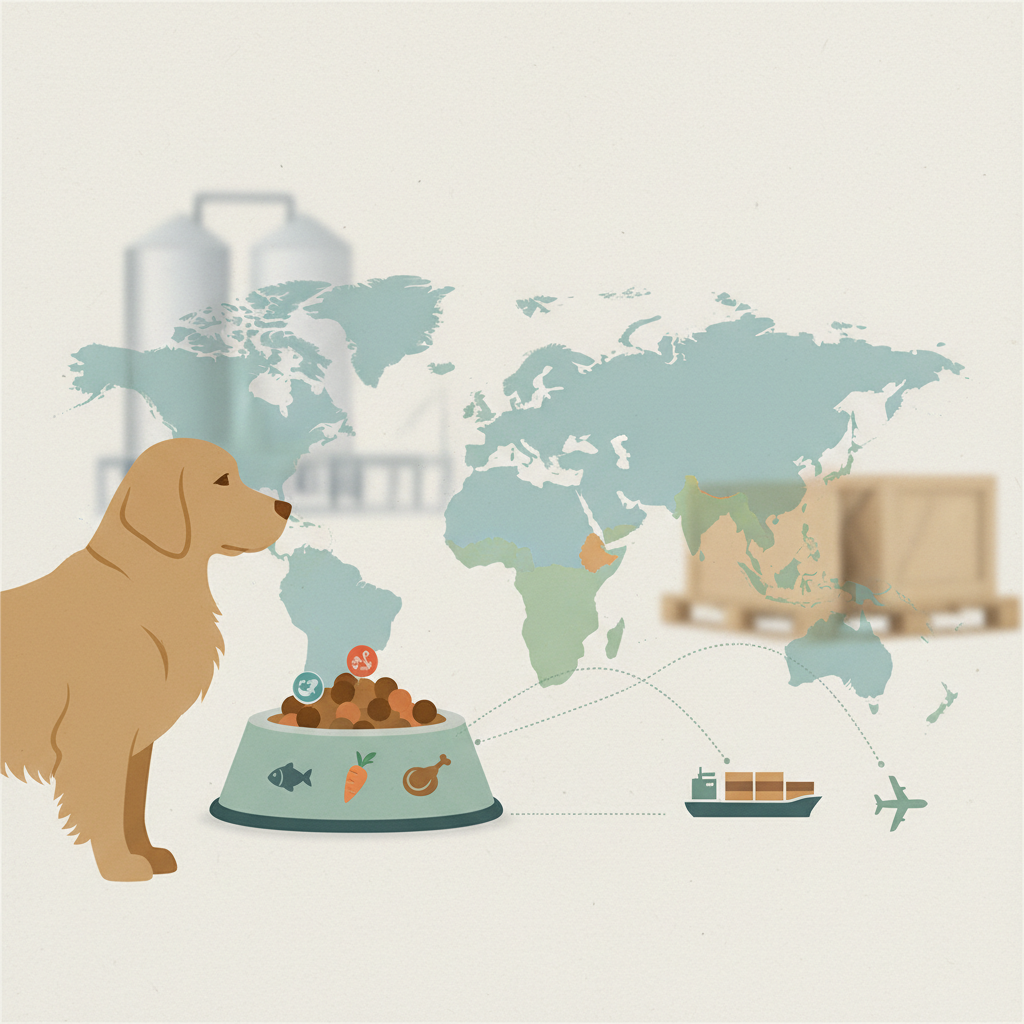
The pet care industry in Southeast Asia is experiencing unprecedented growth, driven by rising disposable incomes, urbanization, and a growing affinity for pets as family members. Within this thriving market, private label dog food presents a monumental opportunity for importers, distributors, wholesalers, and entrepreneurs looking to establish their own brand without the complexities of building manufacturing facilities from scratch. This comprehensive B2B guide delves into the nuances of private label dog food manufacturing in Southeast Asia, offering actionable insights into supply chain management, raw material sourcing, regulatory compliance, and market strategies. Whether you're a seasoned distributor or a budding private label owner, understanding this landscape is key to unlocking significant market share and fostering a loyal customer base in this dynamic region.
The Rise of Private Label Dog Food in Southeast Asia
Southeast Asia, encompassing diverse economies like Thailand, Vietnam, Indonesia, Malaysia, and the Philippines, is rapidly becoming a global hotspot for pet food consumption. Pet ownership is on the rise, and with it, a demand for high-quality, nutritious, and affordable pet food options. Private label brands are perfectly positioned to fill this gap. They offer flexibility, allow for quick market entry, and provide a competitive edge by enabling businesses to tailor products to specific local preferences and price points, circumventing the need for extensive brand building that national brands require. This phenomenon is transforming the B2B landscape, creating new avenues for collaboration between manufacturers and brand owners.
Why Private Label? Unlocking Market Opportunities
For businesses operating in the B2B pet food sector, private label offers several compelling advantages:
- Cost Efficiency: Leverage existing manufacturing infrastructure to produce goods, reducing capital expenditure.
- Brand Control: Complete control over branding, marketing, and product specifications, allowing for unique market positioning.
- Higher Margins: Often yields better profit margins compared to distributing established brands.
- Market Responsiveness: Agility to adapt to market trends, local tastes, and specific dietary needs of pets in the region.
- Niche Dominance: Ability to target specific market segments, such as grain-free, limited ingredient, or breed-specific formulations, which might be underserved by major brands.
- Supply Chain Streamlining: Direct collaboration with manufacturers can lead to more efficient supply chains and better quality control.
Navigating the Private Label Manufacturing Process
Embarking on a private label journey requires a strategic approach, particularly in a region as diverse as Southeast Asia. From concept to shelf, each stage demands meticulous planning and execution.
Step-by-Step Guide to Launching Your Private Label Brand
Here’s a practical roadmap for B2B players looking to venture into private label dog food:
- Market Research and Niche Identification:
- Identify Gaps: Analyze existing dog food offerings in Southeast Asian markets (e.g., Singapore, Bangkok, Jakarta, Manila). Are there specific ingredient preferences? Unmet dietary needs (e.g., sensitive stomachs, senior dogs)? Price points that are undersupplied?
- Competitor Analysis: Study successful local and international brands. What are their strengths? Where are their weaknesses?
- Consumer Trends: Research emerging trends like sustainable sourcing, human-grade ingredients, or exotic protein sources popular in the region.
- Raw Material Sourcing: Quality and Compliance:
- Local vs. Imported: Decide on sourcing strategies. While local sourcing can reduce costs and supply chain complexity, certain specialized ingredients might need to be imported.
- Supplier Vetting: Partner with reputable suppliers who can consistently deliver high-quality, traceable ingredients. Look for certifications (e.g., ISO, HACCP).
- Key Ingredients: Common high-quality ingredients include deboned chicken, lamb meal, fish meal (e.g., salmon, mackerel), rice, tapioca, sweet potatoes, and various fruits and vegetables. Consider regional availability and cost-effectiveness.
- Quality Control: Implement strict incoming raw material inspection protocols.
- Formulation and Product Development:
- Nutritional Expertise: Collaborate with pet nutritionists to develop recipes that meet AAFCO (Association of American Feed Control Officials) or FEDIAF (European Pet Food Industry Federation) standards, ensuring complete and balanced nutrition.
- Palatability Testing: Dog food must be palatable. Conduct trials to ensure dogs readily consume the product.
- Ingredient Deck: Clearly define all ingredients, their ratios, and nutritional analysis.
- Prototypes: Develop small-batch prototypes for testing and refinement before large-scale production.
- Manufacturing and Quality Control:
- Partner Selection: Choose a contract manufacturer with a proven track record in pet food, ideally with experience in exporting or producing for the Southeast Asian market. Look for certifications like GMP (Good Manufacturing Practices).
- Production Standards: Ensure the manufacturer adheres to stringent quality control throughout the production process, from mixing and extrusion to drying and coating.
- Batch Consistency: Implement procedures to ensure consistency in every batch produced.
- Testing: Conduct regular testing for contaminants, nutritional content, and shelf stability.
- Packaging and Branding:
- Design Appeal: Develop packaging that is visually appealing, informative, and resonates with the target demographic in Southeast Asia. Consider local cultural aesthetics.
- Material Choice: Select durable, food-grade packaging materials that protect the product from moisture, light, and pests, suitable for tropical climates.
- Labeling Compliance: Ensure all labeling meets the specific regulatory requirements of the target Southeast Asian countries, including ingredient lists, nutritional guarantees, feeding guidelines, and country of origin.
- Brand Story: Craft a compelling brand story that communicates your values and product benefits.
- Logistics and Distribution:
- Warehousing: Secure appropriate warehousing facilities that can handle pet food products, maintaining optimal temperature and humidity.
- Shipping: Plan efficient shipping routes and methods, considering both cost and transit time. Understand customs procedures for different countries within Southeast Asia.
- Distribution Channels: Establish robust distribution networks, whether through direct-to-consumer online platforms, pet specialty stores, supermarkets, or a combination.
Key Considerations for Success in the Southeast Asian Market
Succeeding in Southeast Asia requires more than just a great product; it demands a nuanced understanding of local dynamics.
Regulatory Compliance and Import/Export Essentials
Each country in Southeast Asia has its own set of regulations governing pet food imports and sales. Navigating these is crucial.
- Documentation: Prepare all necessary permits, certificates (e.g., health certificates, free sale certificates, phytosanitary certificates), and import licenses.
- Ingredient Restrictions: Be aware of any prohibited ingredients or specific labeling requirements unique to countries like Indonesia, Malaysia, or Vietnam.
- Tariffs and Duties: Understand the import duties and taxes applicable in each target country, as these can significantly impact pricing.
- Regional Trade Agreements: Leverage agreements like the ASEAN Free Trade Area (AFTA) which can reduce tariffs and streamline trade among member states.
- Local Agents/Partners: Consider partnering with local customs brokers or import agents who possess deep knowledge of regional regulations and can expedite processes.
Building a Resilient Supply Chain
A robust and agile supply chain is the backbone of any successful private label operation.
- Diversification: Avoid over-reliance on a single supplier for critical raw materials or a single manufacturing plant.
- Transparency and Traceability: Implement systems that allow for end-to-end traceability of ingredients and finished products.
- Risk Management: Develop contingency plans for potential disruptions, such as natural disasters, geopolitical issues, or sudden shifts in raw material availability.
- Technology Adoption: Utilize supply chain management software to optimize inventory, track shipments, and improve forecasting accuracy.
Marketing Your Private Label Dog Food
Even as a B2B entity, understanding how your private label brand will reach the end-consumer is vital for your partners.
- Digital Presence: Invest in a strong online presence for your brand. Southeast Asian consumers are highly engaged on social media.
- Localization: Adapt marketing messages and visuals to resonate with local cultural values and languages.
- Partnerships: Collaborate with pet influencers, veterinarians, and pet stores in target markets.
- Education: Emphasize the nutritional benefits and quality aspects of your product, especially if it addresses specific local pet needs.
Conclusion and Your Next Steps
The private label dog food market in Southeast Asia is ripe with opportunities for businesses ready to invest in quality, compliance, and strategic partnerships. By meticulously planning each stage, from market research and raw material sourcing to manufacturing and distribution, B2B stakeholders can successfully carve out a significant share in this burgeoning industry. The journey requires diligence, a commitment to quality, and a keen understanding of the unique dynamics of the Southeast Asian pet care landscape.
Your strategic move into private label dog food manufacturing in Southeast Asia could be the catalyst for substantial growth and market leadership. The demand is clear, and the infrastructure is evolving to support ambitious ventures.
Call to Action:
Ready to explore private label dog food opportunities in Southeast Asia? Contact us today to discuss how we can help you navigate the complexities of sourcing, manufacturing, and bringing your premium dog food brand to market. Our expertise in global pet food trade and manufacturing is your advantage. Let's build your brand together.