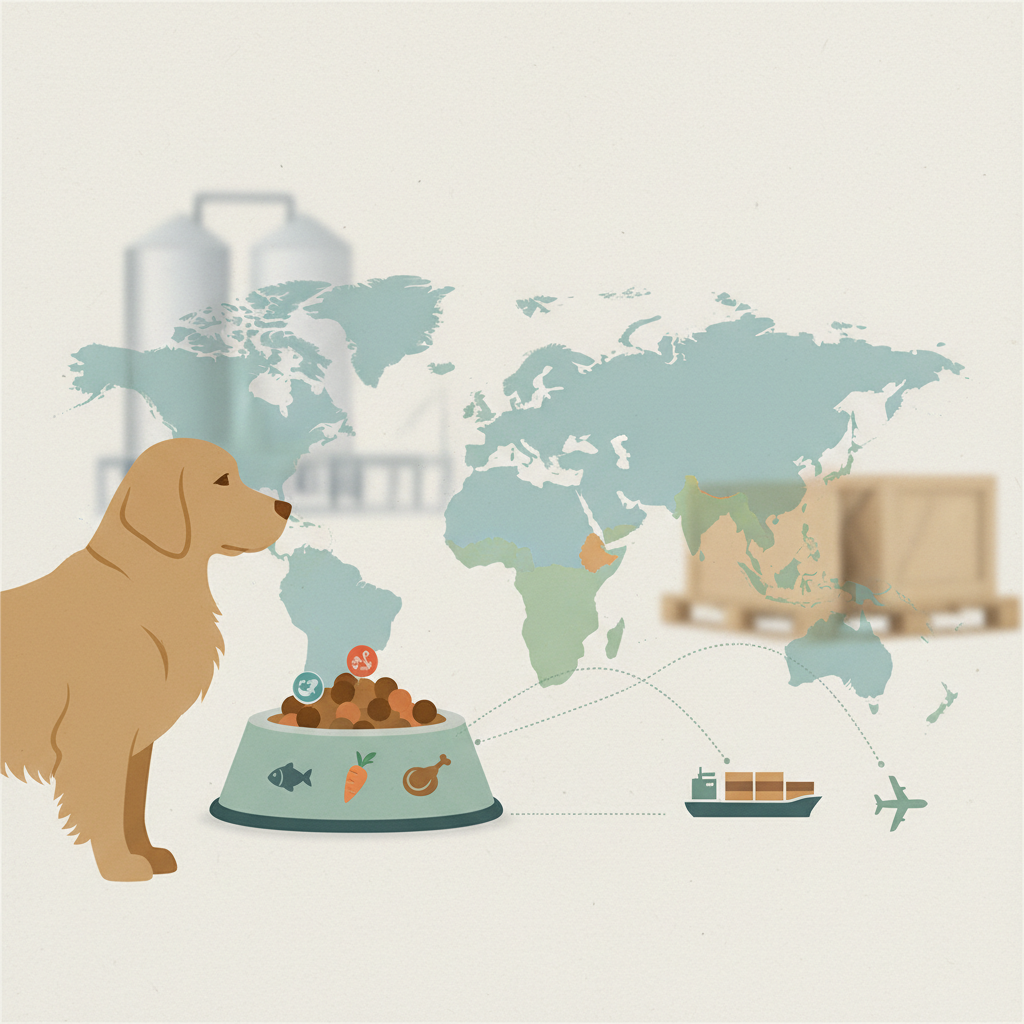
The global pet food industry is experiencing unprecedented growth, and nowhere is this more evident than in Southeast Asia. This dynamic region, encompassing diverse economies and rapidly growing middle-class populations, presents a fertile ground for B2B players in the dog food sector. From seasoned exporters and distributors to aspiring private label brand owners and manufacturers, understanding the unique landscape of Southeast Asia is crucial for unlocking significant opportunities. This comprehensive guide is designed to equip you with the knowledge and actionable insights needed to navigate the complexities and capitalize on the immense potential of the Southeast Asian dog food market. We'll delve into market dynamics, regulatory frameworks, supply chain optimization, and the lucrative world of private labeling, ensuring you have the tools to thrive.
Understanding the Southeast Asian Dog Food Landscape
The demand for high-quality pet food in Southeast Asia is skyrocketing, driven by several key factors. As economies grow and disposable incomes rise, pet ownership is increasing, and pets are increasingly viewed as integral family members. This humanization of pets translates directly into a willingness to invest in premium nutrition.
Market Drivers and Growth Trends
The burgeoning middle class across countries like Thailand, Vietnam, Indonesia, the Philippines, and Malaysia is a primary catalyst. Urbanization, smaller family sizes, and changing lifestyles also contribute to the rise in pet ownership. Consumers are becoming more educated about pet nutrition, demanding specialized diets, natural ingredients, and functional benefits. This shift creates a strong demand for imported premium brands and innovative product lines. E-commerce penetration is also rapidly expanding, providing new channels for market entry and distribution.
Key Markets and Consumer Preferences
While the region shares some overarching trends, each country within Southeast Asia possesses its unique nuances in consumer preferences and market maturity:
- Thailand: A relatively mature market with a strong presence of local and international brands. Consumers are sophisticated and increasingly demand natural, organic, and functional foods.
- Vietnam: Rapidly growing market with a strong emphasis on affordability but a rising interest in premium products. E-commerce is a significant channel.
- Indonesia: The largest economy in Southeast Asia, offering immense potential. Brand loyalty is developing, and there's a growing segment for specialty diets.
- Philippines: Price-sensitive but with a large pet-owning population. Value for money and trusted brands are key.
- Malaysia: A developed market with high awareness of pet health and nutrition. Premium and specialized diets are gaining traction.
Understanding these localized preferences is vital for tailoring your product offerings and marketing strategies effectively.
Navigating Export and Import Regulations
Successfully entering the Southeast Asian market requires meticulous attention to regulatory compliance. Each country has its own set of rules, and navigating these can be challenging without proper guidance.
Essential Documentation and Certifications
For dog food exports, a standard set of documents is typically required, though specifics vary by destination country:
- Health Certificate/Veterinary Certificate: Issued by the veterinary authorities in the exporting country, certifying the product is fit for animal consumption and free from diseases.
- Certificate of Origin: Verifies the country where the goods were manufactured or processed.
- Commercial Invoice: Details the transaction between the exporter and importer.
- Packing List: Provides details about the contents of each package.
- Bill of Lading/Air Waybill: Contract between the owner of the goods and the carrier.
- Product Registration: Many countries require pet food products to be registered with their respective agricultural or veterinary departments before import. This often involves submitting product formulations, labels, and manufacturing process details.
It is imperative to work closely with your importer or a local regulatory consultant to ensure all documentation is accurate and complete, avoiding costly delays or rejections.
Tariff and Non-Tariff Barriers
While free trade agreements like the ASEAN Free Trade Area (AFTA) have reduced tariffs within the region, external imports may still face duties. Beyond tariffs, non-tariff barriers (NTBs) can include stringent import quotas, complex licensing procedures, sanitary and phytosanitary (SPS) measures, and specific labeling requirements. Staying informed about these NTBs is crucial for accurate cost projections and market entry planning.
Checklist for Successful Dog Food Export to Southeast Asia
- Research Target Market Regulations: Thoroughly understand the specific import requirements of your chosen country.
- Secure an Importer/Distributor: Partner with a reputable local entity that has experience with pet food imports and distribution.
- Obtain Necessary Certifications: Ensure your manufacturing facility and products comply with international standards (e.g., ISO, HACCP) and local requirements.
- Prepare Comprehensive Documentation: Compile all required health certificates, certificates of origin, invoices, and packing lists.
- Register Products Locally: Complete all necessary product registration processes in the destination country.
- Compliance with Labeling Laws: Adapt your product labels to meet local language, nutritional claim, and ingredient disclosure requirements.
- Plan Logistics and Shipping: Choose reliable shipping partners experienced in food product transportation.
- Risk Management: Have contingency plans for potential delays, customs issues, or changes in regulations.
Optimizing Your Dog Food Supply Chain in Southeast Asia
An efficient and resilient supply chain is the backbone of any successful B2B operation. In Southeast Asia, this involves strategic sourcing, robust logistics, and meticulous inventory management.
Sourcing Quality Raw Materials
The quality of raw materials directly impacts the final product's nutritional value, safety, and market appeal. For dog food, this typically includes proteins, grains, fats, vitamins, and minerals. Consider sourcing high-quality protein sources that align with consumer demand for natural and wholesome ingredients. For instance, **buffalo meat and buffalo Omasum** are increasingly recognized as excellent protein sources for pet food. They offer a unique nutritional profile, often being leaner and providing a different amino acid balance compared to traditional proteins. Leveraging such ingredients can give your private label or manufactured products a distinct competitive edge, especially in markets where consumers seek novel and sustainable protein options. Establishing strong relationships with trusted suppliers, whether local or international, is paramount for consistency and compliance.
Logistics and Distribution Networks
The diverse geography of Southeast Asia, ranging from archipelagos to mainland territories, necessitates a robust and adaptable logistics strategy. This includes:
- Port and Inland Transportation: Identifying optimal shipping routes and reliable inland transport providers.
- Warehousing: Strategic placement of warehouses to minimize lead times and distribution costs.
- Last-Mile Delivery: Partnering with local distributors who have established networks for efficient delivery to retailers and consumers (if applicable to your B2B model).
Leveraging technology for real-time tracking and inventory management can significantly enhance supply chain visibility and efficiency.
Cold Chain Management for Perishable Goods
For fresh or raw pet food products, maintaining an unbroken cold chain is non-negotiable. This involves temperature-controlled storage and transportation from the point of origin to the final destination. Investing in reliable cold storage facilities and reefer containers is essential to preserve product quality, prevent spoilage, and ensure food safety compliance.
The Power of Private Labeling in Southeast Asia
Private labeling offers an incredible opportunity for distributors, wholesalers, and even manufacturers to create their own brand identity, control product specifications, and capture higher profit margins. The Southeast Asian market is ripe for private label dog food, as retailers and specialized pet stores look to offer unique products that differentiate them from competitors.
Why Private Label? Benefits for Distributors and Retailers
- Higher Profit Margins: Eliminate manufacturer branding costs and gain greater control over pricing.
- Brand Building: Develop a unique brand identity, fostering customer loyalty and recognition.
- Product Differentiation: Create exclusive products tailored to specific market niches or consumer demands.
- Flexibility: Greater control over ingredients, formulations (e.g., using specific protein sources like buffalo meat), and packaging.
- Market Responsiveness: Quicker adaptation to market trends and consumer feedback.
Finding the Right Manufacturing Partner
The success of your private label brand hinges on selecting a reliable and capable manufacturing partner. Look for manufacturers with:
- Proven Quality Standards: Certifications like HACCP, ISO, GMP.
- Expertise in Formulations: Ability to develop or adapt recipes to your specifications.
- Ingredient Sourcing Capabilities: Access to high-quality raw materials, including specialized proteins if desired.
- Capacity and Scalability: Ability to meet your production volume requirements as your brand grows.
- Regulatory Compliance Knowledge: Experience with exporting and destination country regulations.
Steps to Launching Your Private Label Dog Food Brand
- Define Your Niche: Identify your target audience and what makes your brand unique (e.g., grain-free, specific protein source, functional benefits).
- Develop Product Specifications: Outline ingredients, nutritional profile, kibble size, and packaging.
- Source a Reputable Manufacturer: Follow the guidelines above to select your production partner.
- Design Your Branding: Create a compelling brand name, logo, and packaging design that resonates with your target market.
- Ensure Regulatory Compliance: Work with your manufacturer and local experts to ensure all product registrations and labeling comply with Southeast Asian country laws.
- Marketing and Distribution Strategy: Plan how you will introduce and distribute your brand within the chosen market.
Quality Control and Compliance
Maintaining stringent quality control and ensuring compliance with international and local standards is paramount for building trust and ensuring the safety of your dog food products.
Adhering to International Standards
Organizations like the Association of American Feed Control Officials (AAFCO) and the European Pet Food Industry Federation (FEDIAF) provide guidelines for pet food nutrition and labeling. While not always legally binding in Southeast Asia, adhering to these recognized international standards demonstrates a commitment to quality and safety, often facilitating easier market acceptance. Implement robust Quality Management Systems (QMS) such as ISO 22000 (Food Safety Management).
Ensuring Product Safety and Traceability
From farm to bowl, traceability is key. Implement systems that allow you to track every ingredient batch and finished product. This is crucial for managing recalls, identifying potential contamination sources, and maintaining consumer confidence. Regular testing for contaminants, pathogens, and nutrient analysis should be an integral part of your quality assurance program. The Southeast Asian dog food market offers a landscape rich with opportunity for B2B enterprises. By understanding the region's growth drivers, meticulously navigating regulatory frameworks, optimizing your supply chain, and strategically leveraging private labeling, you can establish a strong and profitable presence. The demand for quality, innovation, and trusted brands is undeniable, making this the opportune moment to expand your footprint. Are you looking to explore export opportunities, optimize your supply chain, or launch a private label dog food brand in Southeast Asia? Contact us today to discuss how our expertise in global trade, raw material sourcing (including premium proteins like buffalo meat and Omasum), and manufacturing can help you achieve your business goals.